Section: Special Situations
Solar Panels for Mobile Homes: What's Possible, What It Costs, and What to Check First
By ClearWatt Editorial Team · Published August 4, 2026 · Last updated August 9, 2026
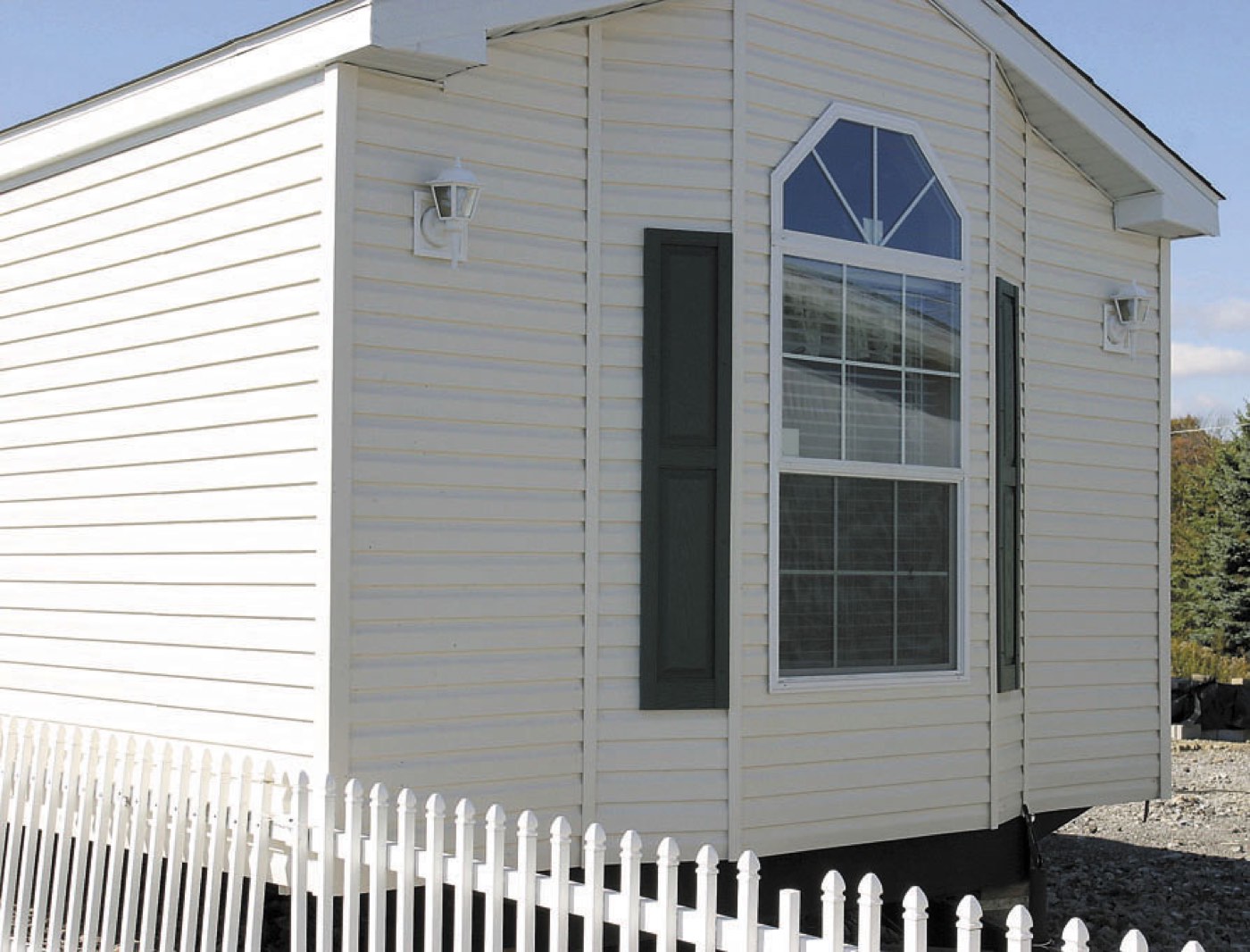
Short answer: Solar panels for mobile homes are possible, but the path usually differs from a typical house. Many manufactured home roofs need structural reinforcement before they can hold panels, so a ground-mounted array on adjacent land is often the more practical and less expensive route. Renting a lot adds another layer of approval to sort out before buying anything.
Can You Put Solar Panels on a Mobile or Manufactured Home?
Mobile and manufactured homes are built lighter than site-built houses, and their roofs are engineered for wind and snow loads, not for the added weight and point-loading of a rack-mounted solar array. That doesn’t rule out roof-mount solar, but it does mean the process usually starts with a structural evaluation rather than a standard site survey.
A qualified installer or structural engineer needs to check the roof decking, trusses, and how the home’s frame ties into its foundation or piers before signing off on a roof-mount design. The federal HUD Code sets minimum roof live-load requirements by climate zone under 24 CFR § 3280.305: 40 lbs/sq ft in the North zone, 30 lbs/sq ft in the Middle zone, and 20 lbs/sq ft in the South zone — these are baseline snow/wind design loads, not a solar-specific allowance, which is exactly why an added rack-mounted array needs its own engineering sign-off rather than an assumption that “the roof meets code, so it’s fine.” Some newer manufactured homes, especially those built with steeper rooflines, can support panels with reinforcement. Older single-wide homes with thin metal roofing are frequently poor candidates, and pushing forward without an assessment risks roof damage, leaks, or a system that voids your home’s warranty.
If your roof isn’t a good fit, that’s not the end of the conversation. It just points you toward the alternative most mobile homeowners end up choosing.
Ground-Mounted Solar: The Common Alternative
When you own the land your mobile home sits on, a ground-mounted array is usually the simplest way to add solar without touching the roof structure at all. Ground mounts are installed on metal racking anchored into the soil or a concrete footing, positioned wherever on your property gets the best sun exposure, and wired back to your home’s electrical panel.
Ground mounts have real tradeoffs. They typically need more land than most people expect, more racking material per watt than a roof system, and trenching to run conductors underground to the house. They also sit at a fixed, often lower tilt angle unless you pay for adjustable or tracking racking, which is rarely worth the added cost for a home-sized system. On the upside, ground mounts are easier to access for cleaning and maintenance, and they avoid any risk of roof damage or warranty conflicts.
If you rent your lot rather than own it, ground-mounted solar becomes a bigger question mark, since it’s a permanent-looking structure on land you don’t control. That’s covered below.
Roof-Mount vs. Ground-Mount: Quick Comparison
| Factor | Roof-Mounted | Ground-Mounted |
|---|---|---|
| Structural work needed | Often requires reinforcement on manufactured home roofs | None on the roof, but needs footings or ground anchors |
| Land/space required | None beyond the existing roof | Requires open, sunny yard space |
| Wiring complexity | Shorter conduit run to the panel | Longer run, often trenched underground |
| Maintenance access | Harder to access safely | Easy to reach for cleaning and snow removal |
| Best fit | Newer manufactured homes with strong rooflines | Homeowners with usable land and a marginal roof |
What Solar Costs for a Mobile Home
Solar pricing is generally quoted per watt of system capacity, and that per-watt price doesn’t change dramatically just because the home is manufactured rather than site-built. What does change the total cost is everything around the panels: roof reinforcement if you go that route, extra racking and trenching for a ground mount, and the fact that many mobile and manufactured homes use less electricity than a larger site-built house, which can mean a smaller, less expensive system.
For a general sense of typical system pricing by size before any home-type-specific adjustments, see this breakdown of how much solar panels cost in 2026. From there, ask installers to itemize any structural work or ground-mount racking separately, since that’s where mobile home quotes tend to diverge most from a standard house quote.
Get at least two or three quotes specifically from installers who have worked on manufactured homes or ground-mount systems in your area. Not every installer is equally comfortable with either scenario, and experience matters for both the design and the long-term durability of the install.
Why Financing Can Work Differently for Manufactured Homes
Before comparing solar-specific financing, it’s worth knowing that manufactured home financing itself often differs from a typical mortgage in ways that affect what solar financing you can access. The Consumer Financial Protection Bureau’s 2021 analysis of manufactured housing finance found that around 42% of manufactured housing loans are chattel loans — loans secured by the home itself but not the land it sits on — rather than a real estate mortgage. Chattel loans generally come with fewer consumer protections and, per the CFPB, an application denial rate of roughly 50% versus about 33% for manufactured-home mortgages. If your home is financed with a chattel loan (common when you rent your lot, as covered below), a solar lender may treat your application differently than they would for a site-built homeowner with a standard mortgage — ask any solar lender directly how they treat chattel-financed manufactured homes before assuming loan terms will match what you’ve seen quoted for a typical house.
Financing Options and the Tax Credit Change
The federal residential solar tax credit (Section 25D) that let homeowners deduct 30% of system costs from their federal taxes expired for systems placed in service after January 1, 2026, following the One Big Beautiful Bill Act. There is no phase-down; the credit is simply gone for homeowners who buy or finance a system with a loan. If a system was already installed and placed in service before that date, the prior rules may still apply to that project, but new purchases don’t qualify.
Leased systems and power purchase agreements (PPAs) work differently, because the solar company, not the homeowner, owns the equipment. Those companies may still be able to use a separate commercial tax credit (Section 48E) on their own tax filing, and some pass part of that value through to customers as a lower lease or PPA rate. That pass-through isn’t guaranteed and varies by company, so ask directly what tax benefit, if any, is reflected in your quote. For a full comparison of how loans, leases, and PPAs differ for financing purposes, see solar loan vs. lease vs. PPA.
Given the credit’s expiration, it’s worth revisiting whether solar still pencils out financially for your situation before committing. Is solar still worth it in 2026 walks through how the math has shifted and what still makes a system worthwhile for many homeowners.
State and utility incentives are separate from the federal credit and vary widely. Some states offer rebates, property tax exemptions, or net metering programs that can still meaningfully improve the economics of a mobile home solar system. Check DSIRE for what’s currently available where you live before assuming the federal change means solar no longer makes sense. For a deeper look at the specific structural and financing challenges manufactured-home solar faces, the Clean Energy States Alliance’s “Solar for Manufactured Homes” report — a DOE-supported study covering 14 states — is a useful resource; it profiles installers who mount panels at the factory during construction, engineered to survive highway transport speeds.
Off-Grid vs. Grid-Tied Considerations
Many mobile homes, especially those in rural areas or manufactured home communities without reliable utility hookups, are candidates for either grid-tied or off-grid solar. Grid-tied systems are simpler and cheaper because you don’t need enough battery capacity to cover every hour of the day, just enough to offset your usage and possibly earn credits through net metering. Off-grid systems require enough panel capacity and battery storage to cover your entire electricity need, including cloudy days, which raises the cost substantially.
If you’re in a remote setting without a nearby grid connection, some of the sizing and battery logic used for cabins and RVs is a useful reference point, since manufactured homes in similar off-grid situations face the same load-balancing challenges. See solar sizing for a cabin off grid for how that math generally works, keeping in mind a mobile home’s electrical load is often higher than a cabin’s.
Battery Storage for Mobile Homes
A home battery isn’t required to go solar, but it’s worth considering, particularly if you live somewhere with frequent outages, time-of-use utility rates, or no full net metering program. Batteries add meaningful cost to a system and their value depends heavily on your local utility rules and how often you actually lose power. For manufactured homes with limited roof or panel capacity, it’s also worth checking that your electrical panel can accommodate a battery’s backup circuits without a costly upgrade. Home battery storage 101 covers how to decide whether a battery is worth adding to your setup.
Renting Your Lot? What to Check Before You Install
If you own your mobile home but rent the land underneath it, whether in a manufactured home community or a private lot lease, solar installation isn’t entirely in your hands. Most park and community leases include rules about permanent structures, and a ground mount, roof penetrations, or even a large battery enclosure can qualify as one.
Before requesting quotes, pull your lease agreement and look for language about structural changes, utility modifications, or approval processes for site improvements. Ask the park management directly whether solar has been approved for other residents and what documentation they require. Some communities are flexible about ground mounts positioned within your lot boundary; others prohibit anything beyond the home itself. If you’re renting rather than owning the home too, community solar subscriptions are worth a look as an alternative way to get solar’s savings without any installation at all, covered in community solar for renters.
Steps to Get Started
Start with an honest assessment of your roof, not a sales pitch. Ask any installer you talk to for photos or documentation of the structural evaluation, not just a design rendering. If a roof mount isn’t viable, get ground-mount quotes that include the racking, trenching, and any permitting your local jurisdiction requires for a ground-based structure.
Get multiple quotes, and make sure each one clearly separates the cost of the panels and inverter from any structural work, racking, or electrical panel upgrades. Ask each installer directly whether they have experience with manufactured or mobile homes specifically, since the structural and wiring considerations are different enough from a standard house that general experience doesn’t always transfer cleanly. Finally, confirm your financing option and what, if any, tax benefit applies to it before you sign, since the federal credit landscape has changed and the details matter for your bottom line.
Sources
- HUD Manufactured Home Construction and Safety Standards, roof live-load requirements — 24 CFR § 3280.305 (consulted August 9, 2026)
- Consumer Financial Protection Bureau, “Manufactured Housing Finance: New Insights from the Home Mortgage Disclosure Act” (May 2021) — consumerfinance.gov (consulted August 9, 2026)
- Clean Energy States Alliance, “Solar for Manufactured Homes: An Assessment of the Opportunities and Challenges in 14 States” — cesa.org (consulted August 9, 2026)
- DSIRE (Database of State Incentives for Renewables & Efficiency) — dsireusa.org (consulted August 9, 2026)
- IRS, “Residential Clean Energy Credit” (Section 25D) — irs.gov (consulted August 9, 2026)
- H.R. 1, One Big Beautiful Bill Act, 119th Congress — congress.gov (consulted August 9, 2026)
Frequently asked questions
Can you legally put solar panels on a mobile home roof?
Yes, but many manufactured home roofs are not built to carry the point loads of a standard rack-mounted solar array without reinforcement. A structural assessment from a contractor familiar with manufactured housing is the right first step, and in many cases a ground-mounted system on your property is simpler and less risky than a roof installation.
Is a ground-mounted solar system cheaper than a roof-mounted one for a mobile home?
Not necessarily. Ground mounts avoid roof reinforcement costs but usually need more racking, trenching for wiring, and sometimes a permit for the mount itself, which can offset the savings. The cheaper option depends on your roof's condition, available yard space, and how far the array sits from your electrical panel.
Does the federal solar tax credit still apply to mobile home solar systems?
The 30% federal residential tax credit (Section 25D) ended for systems placed in service after January 1, 2026, so homeowners who buy a system outright or with a loan generally can't claim it now. Some leased or PPA-financed systems may still access a separate commercial credit through the installer or financing company, but that benefit is not guaranteed to be passed on to you, so ask directly before signing.
Do I need permission from a mobile home park to install solar?
If you own the home but rent the lot, most parks require written approval before you install anything permanent, including ground mounts or roof penetrations. Check your lease agreement and park rules first, since some communities restrict structural changes or require the system to be removable if you move the home later.
Written by
ClearWatt Editorial TeamThe ClearWatt Editorial Team researches and writes every guide on this site. We work from primary sources — federal and state agencies (EIA, NREL, DSIRE, IRS), legislative text, utility rate schedules, and manufacturer documentation — rather than summarizing other websites' coverage of the same topic. We are not licensed solar installers, financial advisors, or tax preparers, and nothing published here is a substitute for advice from one. When a figure can't be traced to a specific, current source, we say so and give a range instead of a false-precision number. Articles are dated, and we correct confirmed errors promptly. See our Editorial Policy for the full standard every guide is held to, and About & Methodology for the sources we draw from.