Section: Special Situations
Solar Panels for a Cabin Off Grid: Sizing, Batteries, and Costs
By ClearWatt Editorial Team · Published July 31, 2026 · Last updated August 9, 2026
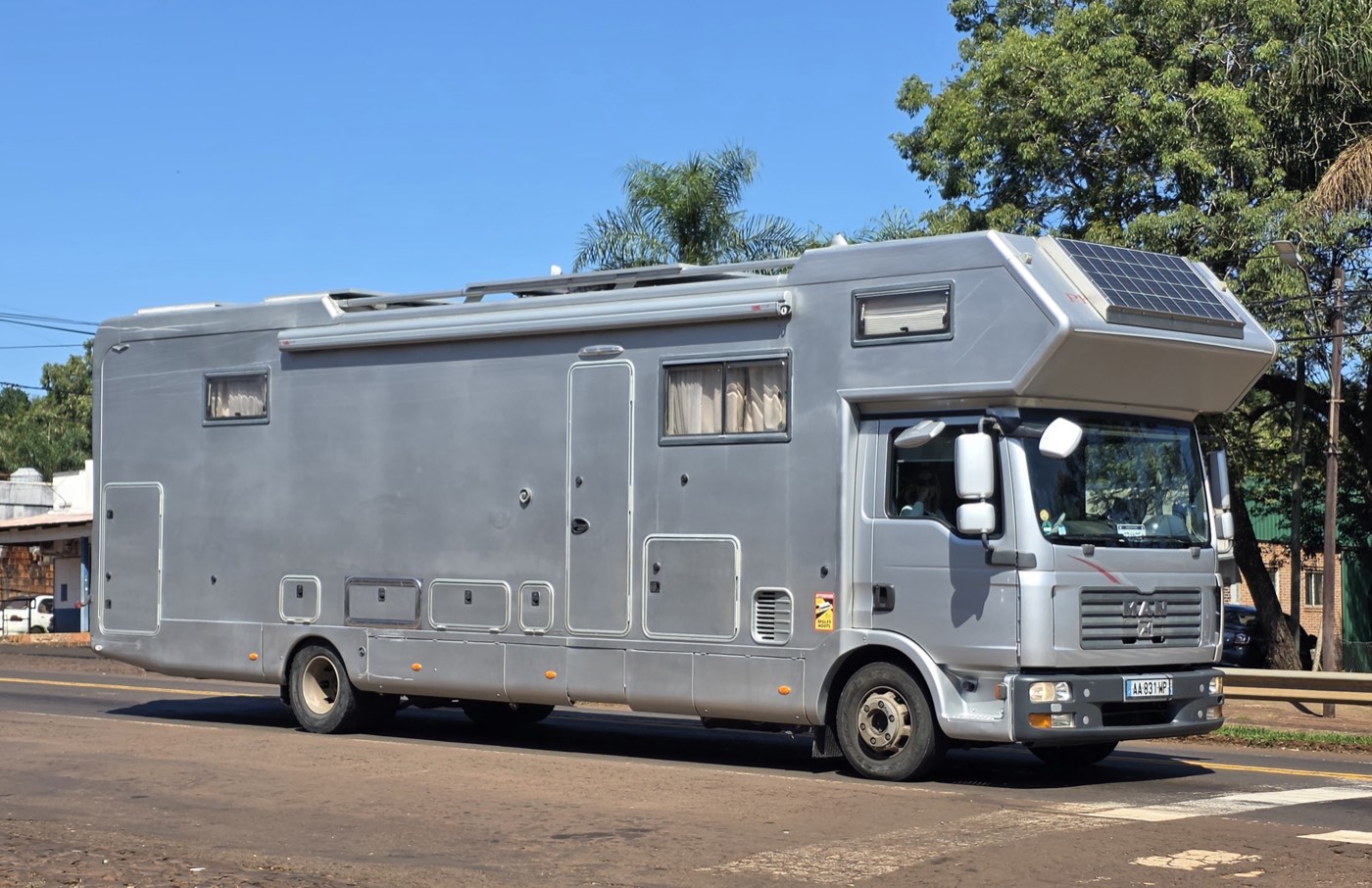
Short answer: Solar panels for a cabin off grid setup need panels, a charge controller, a battery bank, and an inverter sized to match your actual daily energy use — not your roof space. A basic weekend cabin can run on a small system costing a few thousand dollars, while a year-round cabin with heating, water pumping, and full appliances needs a larger, more expensive setup, often paired with a backup generator.
Why an off-grid cabin system is a different project than home solar
Grid-tied residential solar is designed to offset a utility bill and lean on the grid whenever production falls short. An off-grid cabin has no grid to lean on. Every watt you use has to come from panels, a battery, or a generator, which changes the entire design approach.
This means:
- The system has to be sized around your actual loads, not your roof’s potential.
- Battery capacity matters more than panel count, because it determines how many cloudy days or nights you can ride out.
- Oversizing is common and often smart, since undersizing means running out of power with no backup.
- Efficiency of appliances (LED lighting, propane or DC-powered fridges, low-draw pumps) has a direct, dollar-for-dollar effect on system size and cost.
If you’re comparing this to a standard grid-connected home installation, it helps to first understand how solar panels actually generate and store electricity before working through the off-grid-specific math below.
Start with a load calculation, not a panel count
The single most important step is figuring out how much energy you actually use in a day, measured in watt-hours or kilowatt-hours. Add up the wattage of everything you plan to run, multiply by hours of daily use, and total it up. Common cabin loads include:
- LED lighting (low draw, usually negligible)
- A refrigerator (one of the largest steady loads if it runs continuously)
- A well pump or water pump (short bursts, but high wattage)
- A laptop, phone chargers, satellite internet or radio equipment
- Power tools or a table saw (short, high-draw spikes)
- Space heating or water heating (very high draw if electric; many off-grid cabins use propane or wood instead)
Once you have a rough daily watt-hour total, that number drives every other decision: how many panels you need to generate it, how large a battery bank you need to store a day or two of it, and how big an inverter you need to convert it to usable AC power.
Core components of an off-grid cabin system
| Component | Role | Sizing consideration |
|---|---|---|
| Solar panels | Generate DC power from sunlight | Sized to cover daily watt-hour use plus margin for cloudy days |
| Charge controller | Regulates power flowing into the battery | Must match panel voltage/current and battery type (MPPT is more efficient than PWM) |
| Battery bank | Stores energy for night and low-sun use | Sized in kilowatt-hours to cover 1-3 days of autonomy |
| Inverter | Converts stored DC power to AC for standard appliances | Sized to handle your highest simultaneous load, not just average use |
| Backup generator (optional) | Recharges batteries during extended low-sun periods | Sized to handle charging plus any large loads run directly |
Sizing examples by cabin type
These are illustrative ranges only — actual sizing depends on your climate, sun exposure, and appliance choices, so treat them as a starting point for conversations with an installer, not a spec sheet. We’re deliberately not citing a single “typical daily kWh” figure here: we checked for authoritative federal (DOE/NREL) data on off-grid cabin and RV energy use and didn’t find one, and the industry figures we did find varied too much between sources to present confidently as settled numbers.
- Weekend or minimalist cabin: lights, phone charging, a small cooler or 12V fridge. Often workable with a few hundred watts of panels and a small battery bank in the low kilowatt-hour range. As one concrete reference point (not a universal standard), Renogy’s cabin-oriented “Essential Kit” pairs a 1.2 kW solar array with a 9.6 kWh LiFePO4 battery bank and a 48V/3500W inverter-charger — a real product spec you can compare your own load calculation against, not an industry average.
- Seasonal cabin with a few modern conveniences: full-size fridge, water pump, occasional power tools, internet equipment. Typically needs low-to-mid kilowatts of panels and a mid-size battery bank, often supplemented by a generator for stretches of bad weather.
- Year-round off-grid home or cabin: full kitchen appliances, possibly electric heating backup, laundry, or a workshop. Requires a much larger panel array, a substantial battery bank measured in double-digit kilowatt-hours, and almost always a generator for winter or low-sun backup.
Battery storage: the part that actually determines reliability
Panels get the attention, but the battery bank is what determines whether your cabin actually has power when you need it. Battery sizing is typically expressed in “days of autonomy” — how many days the cabin can run on stored power alone with no sun.
Lithium batteries (commonly LiFePO4) have become the standard choice for new off-grid systems because they handle deeper discharges, last longer, and take up less space than older lead-acid batteries, even though the upfront cost per kilowatt-hour is higher. Per manufacturer technical guidance, LiFePO4 batteries typically allow around 95% usable depth of discharge, versus roughly 50% for lead-acid or AGM batteries — meaning a lead-acid bank needs close to double the rated capacity to deliver the same usable energy as a same-rated LiFePO4 bank. Lead-acid or AGM batteries are still used in budget builds but generally need more frequent replacement and more careful maintenance.
If you already have a grid-tied home and are trying to decide whether battery backup makes sense there too, the sizing logic is related but not identical — see home battery storage basics for how that decision plays out when the grid is still an option.
The role of a backup generator
Most off-grid cabins that get real use, not just occasional weekends, end up with a generator as part of the system rather than as an emergency afterthought. A generator lets you:
- Recharge batteries quickly during a multi-day stretch of clouds or snow cover
- Run high-draw tools or appliances directly without draining the battery bank
- Size the solar-and-battery portion of the system smaller and cheaper, since it no longer has to cover worst-case scenarios alone
Propane generators are common at cabins because propane stores indefinitely, unlike gasoline. Sizing the generator to match your inverter and charge controller’s charging capacity matters — a generator that’s too small for the charger will waste fuel and time.
What it costs, realistically
Costs vary enormously depending on system size, battery chemistry, site accessibility, and whether you install it yourself. As a general reference point, a small cabin system (panels, controller, small lithium battery, basic inverter) can run from the low thousands of dollars for a DIY kit up to the high five figures for a professionally installed, generator-backed system sized for year-round living. Larger, full-service off-grid homes can cost more than a comparably sized grid-tied residential solar installation, because you’re paying for battery capacity and backup generation that a grid-tied home simply doesn’t need.
For a broader sense of how solar costs break down for grid-connected homes, which can help you understand where the extra off-grid costs (batteries, controllers, generators) are coming from, see how much solar panels cost by system size.
Incentives: what’s changed and what to check
The 30% federal residential solar tax credit under Section 25D expired for systems installed after December 31, 2025, following its repeal in the One Big Beautiful Bill Act. This applies to owned solar and battery equipment at a cabin the same way it applied to a primary home — the credit is gone going forward, with no phase-down period. For the fuller picture of what changed and what, if anything, homeowners can still claim, see the federal solar tax credit 2026 update.
Third-party ownership structures like leases or power purchase agreements are rarely used for remote off-grid cabins, since those arrangements depend on a servicer being able to monitor and maintain grid-connected equipment. If you’re offered a lease or PPA for a cabin system, confirm exactly what maintenance and connectivity that requires before signing.
Some states or utilities offer incentives for standalone battery storage or off-grid systems, but availability and rules vary widely and change often. Check dsireusa.org directly for anything that might apply in your state rather than relying on secondhand claims, and verify with a licensed installer before assuming any incentive applies to an off-grid, non-grid-connected system.
Permits, codes, and inspections
Even off-grid systems are often subject to local electrical permitting and inspection, especially if the cabin has a permanent structure or you plan to sell the property eventually. Requirements vary by county and state, and some jurisdictions are far more relaxed about remote off-grid builds than others. It’s worth a call to your local building department before assuming no permit is needed, since skipping a required inspection can cause problems with insurance or future resale.
DIY versus professional installation
Off-grid kits are widely available and many cabin owners install smaller systems themselves, particularly for weekend-use setups with modest loads. That said, battery bank wiring, inverter sizing, and generator integration carry real safety risks — fire, electrical shock, and battery damage are all possible with mistakes. For anything beyond a small, simple setup, or if local code requires licensed electrical work, having a professional at least review or handle the battery and inverter wiring is a reasonable middle ground between full DIY and a fully contracted install.
Bottom line
An off-grid cabin solar system is a fundamentally different design problem than rooftop solar on a grid-connected home. Size it around your actual daily energy use, put real thought into battery capacity rather than just panel count, and decide early whether a backup generator is part of the plan. Get several detailed quotes, verify any incentive claims independently, and don’t assume a system that works well for one cabin’s usage pattern will translate directly to yours.
Sources
- IRS, “Residential Clean Energy Credit” (Section 25D) — irs.gov (consulted August 9, 2026)
- H.R. 1, One Big Beautiful Bill Act, 119th Congress — congress.gov (consulted August 9, 2026)
- Renogy, “1.2kW Essential Kit” (manufacturer product specification) — renogy.com (consulted August 9, 2026)
- Renogy, “Battery Sizing Guide” — renogy.com (consulted August 9, 2026)
- DSIRE (Database of State Incentives for Renewables & Efficiency) — dsireusa.org (consulted August 9, 2026)
Frequently asked questions
How many solar panels do I need for an off-grid cabin?
It depends entirely on your daily energy use, not a fixed rule. A weekend cabin running lights, a fridge, and small electronics might need only 400-800 watts of panels with a modest battery. A cabin with a well pump, power tools, or heating loads can require several kilowatts of panels and a much larger battery bank. Always start with a load calculation before buying equipment.
Can an off-grid cabin solar system run without batteries?
No, not in any practical sense. Without batteries, power is only available while the sun is shining and drops out at night or during cloudy stretches. Batteries store daytime production so you have power in the evening, overnight, and on low-sun days, which is the entire point of an off-grid setup.
Is the federal solar tax credit still available for an off-grid cabin?
The 30% residential federal solar tax credit expired for systems installed after December 31, 2025, following the repeal of Section 25D. This applies to owned systems regardless of whether the property is a primary residence or a cabin. Check dsireusa.org for any remaining state or utility incentives that might apply where you live.
Do I need a generator if I have solar and batteries at my cabin?
A backup generator is not strictly required, but most off-grid cabin owners keep one for stretches of low sun, unusually high demand, or battery bank aging. Sizing a system generously enough to skip a generator entirely usually costs significantly more than adding a modest backup generator to a smaller solar-and-battery system.
Written by
ClearWatt Editorial TeamThe ClearWatt Editorial Team researches and writes every guide on this site. We work from primary sources — federal and state agencies (EIA, NREL, DSIRE, IRS), legislative text, utility rate schedules, and manufacturer documentation — rather than summarizing other websites' coverage of the same topic. We are not licensed solar installers, financial advisors, or tax preparers, and nothing published here is a substitute for advice from one. When a figure can't be traced to a specific, current source, we say so and give a range instead of a false-precision number. Articles are dated, and we correct confirmed errors promptly. See our Editorial Policy for the full standard every guide is held to, and About & Methodology for the sources we draw from.