Section: Battery Storage
Battery Backup vs. Generator for Home: Cost and Tradeoffs Compared
By ClearWatt Editorial Team · Published July 21, 2026
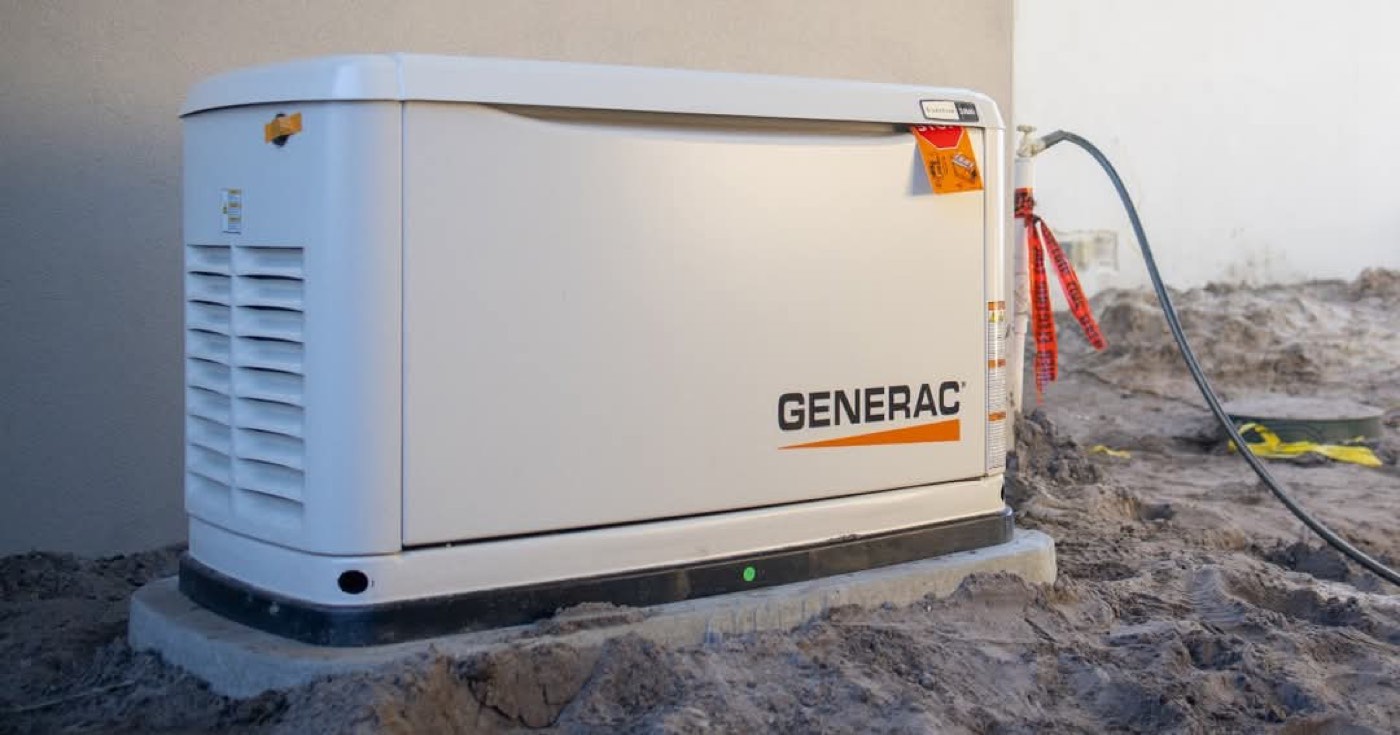
Short answer: A propane generator costs less upfront (roughly $5,000-$20,000 installed) than a solar-plus-storage system, but EnergySage’s 20-year cost comparison — which includes fuel and the electricity you’d otherwise buy from the grid — found the generator option totaling $91,319 over 20 years versus $62,335 for solar-plus-storage. Generators run as long as fuel lasts; batteries are silent and emission-free but have finite capacity unless recharged by solar.
An important framing note before the numbers
The most detailed cost comparison available for this topic — EnergySage’s battery backup vs. generator analysis (updated July 13, 2026) — compares a full solar-plus-storage system against a standby generator, not a battery alone against a generator. That distinction matters: a battery by itself, without solar panels to recharge it, is a different product with a different cost and a different value proposition than a combined solar-and-battery system that also offsets your day-to-day electricity bill. Keep that in mind as you read the table below — it’s a fair comparison of two real approaches to home resilience, but it’s not an apples-to-apples hardware comparison of “one battery” versus “one generator.”
The 20-year cost comparison
Here’s EnergySage’s published table, reproduced as published, comparing a solar-plus-storage system against a 10kW propane generator, assuming 120 hours of generator runtime per year:
| Solar + Storage | 10kW Propane Generator | |
|---|---|---|
| Upfront cost | $46,688 | $7,000 |
| Maintenance (20 yrs) | $0 | $1,000 |
| Replacement | — | $7,000 |
| Fuel (120 hrs/yr) | $0 | $9,151 |
| Purchased electricity | $0 | $67,168 |
| 20-year total | $62,335 | $91,319 |
The generator’s upfront cost is by far the lowest line item in the whole table — $7,000 versus $46,688 for solar-plus-storage. That $46,688 figure is in the same range you’d expect from combining a full solar installation (EnergySage’s marketplace average is $2.60/W, or roughly $18,000-$28,000 for a typical 6-8kW home system) with a battery like the Tesla Powerwall 3 — and unlike a generator purchase, none of that solar-plus-storage cost qualifies for the federal Residential Clean Energy Credit if placed in service on or after January 1, 2026, since that 30% credit was repealed by the One Big Beautiful Bill Act. What flips the total is the “purchased electricity” line, which EnergySage puts at $67,168 over 20 years for the generator-only household: a generator only produces power during an outage, so a household relying on a generator alone still buys all its day-to-day electricity from the utility for 20 years, a cost that a solar-plus-storage system eliminates or substantially offsets. If your household’s only goal is outage backup and you’re not interested in offsetting your regular electric bill, that $67,168 line doesn’t apply to you in the same way — a generator-only household is paying that regardless of which backup option they choose, so the comparison mainly illustrates the value of pairing storage with solar generation, not a verdict on generators as backup hardware specifically.
Chart generated from the EnergySage cost table above (upfront cost, maintenance, fuel, and purchased electricity summed over 20 years).
What a real generator actually costs to run
For concrete generator specs, Generac’s own product page for its 10kW dual-fuel standby generator (Model G0072570) lists:
- Rated output: 10,000 watts
- Fuel options: natural gas or liquid propane (dual fuel)
- LP consumption: 0.94 gallons/hour at 50% load, 1.6 gallons/hour at 100% load
- Natural gas consumption: 98 cubic feet/hour at 50% load, 132 cubic feet/hour at 100% load
- Warranty: 5-year limited warranty
Generac’s own page doesn’t list a price — the $7,000 installed figure in the EnergySage table above comes from EnergySage’s own research, not Generac directly. More broadly, installed cost estimates for residential standby generators from various installer sources range from roughly $5,000 to $20,000, depending on generator size and site conditions like trenching, gas line work, and electrical panel upgrades. That range comes from aggregated installer data rather than one authoritative source, so treat it as a general planning range rather than a quote.
The real tradeoffs, beyond cost
Cost is only part of the decision. A few genuine, non-financial differences are worth weighing directly:
Runtime. A generator’s backup duration is limited mainly by fuel supply — as long as propane or natural gas keeps flowing, it keeps running, which makes it a strong option for extended multi-day outages, especially where natural gas service (rather than a finite propane tank) is available. A battery’s capacity is fixed: once it’s depleted, it needs to recharge from the grid (unavailable during an outage) or from solar panels, which only generate during daylight hours and at a rate that depends on panel size, weather, and season. For a sense of how battery capacity translates into hours of backup for a given home, see How Many Batteries to Power a House.
Noise and emissions. A running generator is audible and produces combustion emissions and exhaust, both ongoing considerations for as long as it runs, and a real factor for neighbors in denser residential areas. A battery is silent and produces no emissions or exhaust during operation.
Maintenance. Generators are combustion equipment with moving parts — Generac’s own listing includes a 5-year limited warranty, and routine maintenance (oil changes, filter checks, periodic test runs) is a standard part of ownership, reflected in the $1,000 maintenance line in the EnergySage table above. Batteries have no combustion components and generally require less routine maintenance, though they still carry their own long-term capacity degradation considerations — covered in detail in our Solar Battery Lifespan article.
Everyday value versus backup-only value. A generator only does one thing: run during an outage. A battery paired with solar panels can also reduce your electricity bill on a normal, non-outage day by storing surplus solar power for evening use or shifting usage away from expensive time-of-use rate periods — see Home Battery Storage 101 for more on that everyday-value case. This is part of why the EnergySage 20-year comparison favors solar-plus-storage: the generator’s cost is spread across only 120 hours of annual use, while the battery (when paired with solar) is working, in some sense, every day.
The hybrid approach
A meaningful number of homeowners install both a battery and a generator rather than choosing one. In this setup, the battery typically handles shorter, more common outages silently and without fuel, while the generator serves as backup for longer outages once the battery depletes — some configurations even use the generator to recharge the battery directly rather than powering the home straight from the generator. This is a legitimate, increasingly common strategy for households that want both the everyday value of a battery and the extended-runtime reliability of a generator, though it means budgeting for the upfront and maintenance costs of both systems rather than just one. No specific cost figures for a combined battery-and-generator system are included here, since none were verified for this article — get quotes for the combined system directly from an installer if you’re considering this route.
Bottom line
If your only goal is bridging occasional outages with the lowest upfront cost, a standby generator wins on that specific metric. If you’re weighing 20-year total cost and also want everyday value from the system (not just backup during outages), the EnergySage comparison above shows solar-plus-storage coming out ahead over two decades, largely because it also offsets your regular electricity purchases. If extended, multi-day outages are your primary concern, a generator’s fuel-dependent but effectively unlimited runtime is a real advantage a battery alone can’t match without enough solar to keep recharging it.
Disclaimer: Costs, fuel consumption, and runtime vary by household, location, equipment size, and fuel prices. The figures above come from specific cited sources current as of August 2026; get written, itemized quotes from licensed installers for your specific situation before making a purchasing decision.
Sources
- EnergySage, “Battery Backup Power vs. Generators: Which Is Right for You?” (updated July 13, 2026) — energysage.com (consulted August 9, 2026)
- Generac, 10kW Standby Generator (Model G0072570) product page — generac.com (consulted August 9, 2026)
- EnergySage, “How Much Do Solar Panels Cost?” (marketplace data, updated July 31, 2026) — energysage.com (consulted August 9, 2026)
- Tesla, Powerwall Limited Warranty (Powerwall 3) — energylibrary.tesla.com (consulted August 9, 2026)
- IRS, “Residential Clean Energy Credit” (Section 25D) — irs.gov (consulted August 9, 2026)
- H.R. 1, One Big Beautiful Bill Act, 119th Congress — congress.gov (consulted August 9, 2026)
Frequently asked questions
Is a battery or a generator cheaper for home backup?
It depends what's being compared. A standby generator has a lower upfront cost — typically $5,000-$20,000 installed, with a 10kW Generac unit and installation running around $7,000 in one cited example — versus a solar-plus-storage system's much higher upfront cost. But EnergySage's 20-year total cost of ownership comparison, which includes fuel and purchased electricity, found a solar-plus-storage system totaling $62,335 over 20 years versus $91,319 for a propane generator, because the generator comparison also accounts for the household's ongoing electricity purchases, which the solar system offsets.
How long can a generator run compared to a battery?
A generator can run as long as fuel is available and delivered, making it better suited to extended multi-day outages if fuel supply holds up. A battery has a fixed, finite capacity and will deplete unless it's being recharged, either by the grid (unavailable during an outage) or by solar panels, which only recharge during daylight and at a rate limited by panel size and weather.
How much fuel does a 10kW generator use per hour?
According to Generac's own product page for its 10kW dual-fuel standby generator, liquid propane consumption is 0.94 gallons per hour at 50% load and 1.6 gallons per hour at full load; natural gas consumption is 98 cubic feet per hour at 50% load and 132 cubic feet per hour at full load.
Can I use a battery and a generator together?
Yes, and many homeowners do. A battery handles shorter outages silently and without fuel, while a generator provides extended runtime for multi-day outages once the battery depletes, or can recharge the battery directly in some configurations. This hybrid approach is a legitimate strategy, though it adds the upfront and maintenance costs of both systems rather than just one.
Written by
ClearWatt Editorial TeamThe ClearWatt Editorial Team researches and writes every guide on this site. We work from primary sources — federal and state agencies (EIA, NREL, DSIRE, IRS), legislative text, utility rate schedules, and manufacturer documentation — rather than summarizing other websites' coverage of the same topic. We are not licensed solar installers, financial advisors, or tax preparers, and nothing published here is a substitute for advice from one. When a figure can't be traced to a specific, current source, we say so and give a range instead of a false-precision number. Articles are dated, and we correct confirmed errors promptly. See our Editorial Policy for the full standard every guide is held to, and About & Methodology for the sources we draw from.