Section: Special Situations
Solar Panels and Historic District Rules: What Homeowners Can Actually Do
By ClearWatt Editorial Team · Published August 21, 2026
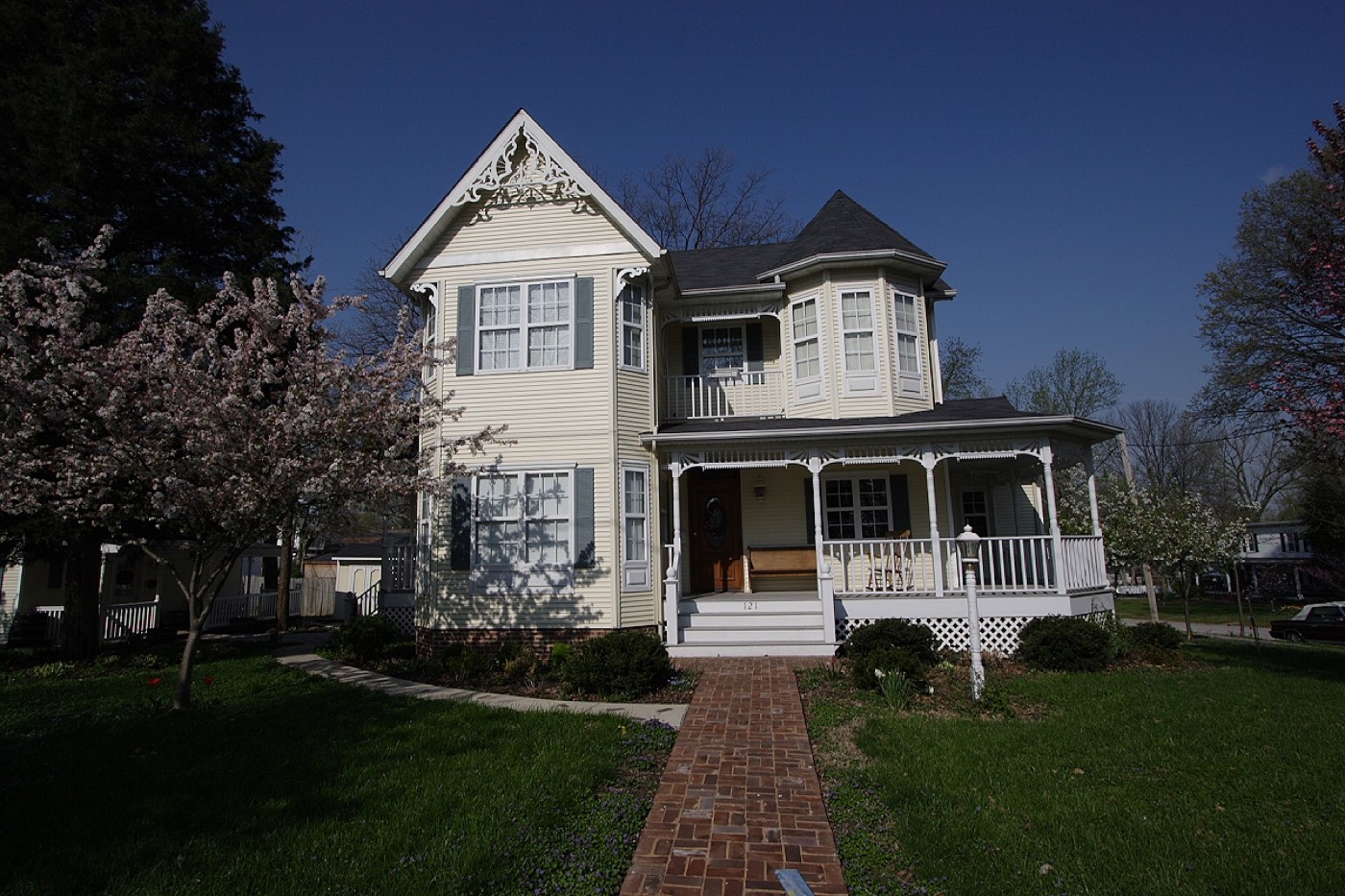
Short answer: Solar panels on a historic home are usually allowed, but the approval process depends on whether the district is locally designated (which can come with a design-review board) or just listed on the National Register of Historic Places (which is mostly honorary). Local historic commissions can require panels to be placed on non-street-facing roof planes, use low-glare frames, or be installed with rails hidden from view. Rules vary by city and state, so check your local ordinance directly.
Why “Historic District” Doesn’t Mean One Set of Rules
The phrase “historic district” covers several legally distinct situations, and they don’t carry the same authority over your roof. A property can be:
- Individually listed on the National Register of Historic Places
- Located inside a National Register historic district
- Located inside a locally designated historic district created by city or county ordinance
- Both — nationally recognized and locally regulated
National Register status, run by the National Park Service, is primarily an honor and a marker of eligibility for certain tax incentives. It does not, on its own, restrict what a private owner can do to their property. Local historic district designation is different: it’s created by a city or county ordinance and typically comes with a historic preservation commission that reviews exterior changes, including roof-mounted equipment. That local commission is almost always the actual authority that can approve, modify, or deny a solar application. The Secretary of the Interior’s Standards for Rehabilitation, maintained by the National Park Service, are the design framework many of these commissions reference when evaluating additions like solar arrays, even though the standards themselves don’t automatically apply to every property — they’re mandatory mainly for projects using federal historic rehabilitation incentives and are used as guidance elsewhere (National Park Service, Secretary of the Interior’s Standards, consulted 2026-08-21).
Who Actually Has Authority Over Your Panels
| Designation type | Typical regulator | Typical solar restriction |
|---|---|---|
| National Register (individual listing) | None for private alterations | Generally none, unless using historic tax credits |
| National Register historic district | None for private alterations, unless overlaid with local designation | Generally none on its own |
| Local historic district (city/county ordinance) | Local historic preservation commission or architectural review board | Can require panel placement, screening, or in some cases denial |
| Local landmark (individual property) | Same commission, often stricter review | Highest likelihood of design conditions |
Because local ordinances vary so much by city, there’s no single national rulebook. The most reliable way to find out what applies to your address is to contact your city or county’s planning or historic preservation office directly, and to cross-check any state-level solar access protections through a database like the Database of State Incentives for Renewables and Efficiency, which also tracks some local permitting and access rules (DSIRE, consulted 2026-08-21).
State Solar Access Laws Can Limit Local Denials
Several states have passed “solar rights” or “solar access” laws that limit how much a homeowners association or local government can restrict solar installations. California’s Solar Rights Act, for example, prohibits most private restrictions that significantly increase the cost or decrease the efficiency of a solar system, though it includes carve-outs and has been interpreted differently for locally designated historic properties versus ordinary residential lots (California Civil Code Section 714, consulted 2026-08-21). Other states have similar but not identical statutes, and some carve out explicit exceptions for properties in locally designated historic districts, meaning the commission’s authority survives even where a general solar access law would otherwise limit HOA-style restrictions. Because this varies state by state and sometimes city by city, don’t assume your state’s general solar access law overrides your local historic commission — verify the specific text and any historic-property exception before you plan around it.
What Historic Commissions Typically Look For
Even where panels are allowed, commissions commonly focus on a handful of visual factors rather than blocking solar outright:
- Visibility from the public right-of-way. Panels on a rear-facing or side roof plane not visible from the street are far more likely to be approved without conditions than a full front-facing array.
- Frame and rail color. Black-on-black panels with low-profile mounting hardware are often preferred over silver-framed panels with visible white backsheets, since they read as less visually disruptive against dark historic roofing materials.
- Conduit and equipment placement. Inverters, disconnects, and conduit runs are frequently required to be placed on rear walls or inside existing utility areas rather than on a visible historic facade.
- Roof penetrations and reversibility. Some commissions favor mounting systems that don’t permanently alter historic roofing material and can be removed without lasting damage.
- Panel technology, not just placement. All-black, high-efficiency modules can sometimes make a smaller array look less obtrusive, which matters for review boards focused on street-level appearance rather than output.
None of this is exotic — it’s the same design flexibility a good installer should already be offering. The added step with a historic property is documenting the choice (photos, product spec sheets, a sightline diagram) and submitting it through the commission’s application process, which can add real time to your project timeline even when the outcome is approval.
Cost and Timeline Impact of Historic Review
Historic review doesn’t typically change the underlying cost of solar equipment, which nationally runs in a range influenced mainly by system size, equipment tier, and labor market rather than roof age (EnergySage, national solar cost data, consulted 2026-08-21). What it can add is:
- An extra application and possibly an extra fee charged by the historic commission or planning department
- A public hearing or staff-level design review, which can take anywhere from a few weeks to a couple of months depending on the jurisdiction’s meeting schedule
- Potential added labor cost if the commission requires a different mounting location, additional screening, or rerouted conduit compared to the installer’s original proposal
None of these are large relative to total project cost in most cases, but they’re worth asking about directly when you request quotes, since not every installer has experience with historic district submissions.
The Federal Tax Credit Situation Hasn’t Changed for Historic Homes Specifically
It’s worth being clear that historic district status has no special interaction with the federal residential solar tax credit’s expiration. The 30% Residential Clean Energy Credit under Section 25D ended for systems placed in service after December 31, 2025, following its repeal in the One Big Beautiful Bill Act (H.R. 1, 119th Congress, consulted 2026-08-21; IRS, Residential Clean Energy Credit, consulted 2026-08-21). A historic home owner installing solar in 2026 faces the same federal tax situation as any other homeowner — no federal credit for a cash or loan-financed purchase, though a leased or third-party-owned system may still access incentives through a separate commercial credit path if the provider chooses to pass on savings. That’s a financing question, not a preservation one, and it applies regardless of your district status. For more on what’s still available, see our 2026 federal tax credit guide — wait, that path isn’t in your approved list, so instead check the state incentives guide for what’s left at the state and local level, since some states and utilities offer their own rebates independent of federal policy.
Separately, if your property benefits from a federal or state historic rehabilitation tax credit for restoration work, that program has its own rules about exterior alterations, and adding solar without preservation office sign-off could jeopardize that unrelated credit. That’s a narrow situation that mainly affects owners actively using historic rehabilitation credits, not most homeowners simply living in a historic district.
Steps to Get Solar Approved on a Historic Home
- Confirm your exact designation status with your city or county planning department — National Register alone versus a local historic district overlay matters enormously for who has authority.
- Ask the historic preservation commission or architectural review staff what their solar-specific guidelines are; many have written checklists for panel placement and equipment color.
- Get quotes from installers who list historic district experience, and ask them directly how they’ve handled commission submissions before.
- Request an all-black or low-visibility panel option and rear-roof placement in your proposal before the commission asks for it — this often speeds up review.
- Verify any state solar access protections through DSIRE and confirm whether your state’s law includes a historic-property exception.
- Review consumer protection basics before signing any contract, including cancellation rights and contractor licensing checks, using the FTC’s homeowner guide to solar (FTC, Solar Power for Your Home, consulted 2026-08-21).
This article is for general information and isn’t a substitute for checking your specific local ordinance or consulting your state historic preservation office before applying for a permit.
Sources
- National Park Service, Secretary of the Interior’s Standards for Rehabilitation (consulted 2026-08-21)
- DSIRE - Database of State Incentives for Renewables and Efficiency (consulted 2026-08-21)
- California Civil Code Section 714 (Solar Rights Act) (consulted 2026-08-21)
- EnergySage, National Solar Panel Cost Data (consulted 2026-08-21)
- H.R. 1, One Big Beautiful Bill Act, 119th Congress (consulted 2026-08-21)
- IRS, Residential Clean Energy Credit (consulted 2026-08-21)
- FTC, Solar Power for Your Home (consulted 2026-08-21)
Frequently asked questions
Can a historic district legally block solar panels?
It depends on the type of designation and the state you're in. A purely honorary National Register of Historic Places listing does not usually give anyone veto power over your roof. A locally designated historic district with its own review board can deny or modify a solar application, though a growing number of states limit how restrictive those denials can be. Check your municipal historic preservation ordinance and your state's solar access statute before assuming either way.
Does being on the National Register of Historic Places mean I need approval to install solar?
Not by itself. National Register listing is mostly honorary and doesn't create a local design-review requirement unless your property also sits inside a separately created local historic district overlay, or you're using federal or state historic rehabilitation tax credits that require following the Secretary of the Interior's Standards for Rehabilitation.
Will installing solar panels disqualify my home from a historic tax credit?
That risk applies mainly to the federal historic rehabilitation tax credit (a different program from the residential solar credit), which requires exterior work to follow preservation standards. If you're claiming or plan to claim that credit, get sign-off from your state historic preservation office before installing panels. If you're not using that program, it generally doesn't affect your solar project.
What if my historic home is also in an HOA?
You may face two separate layers of review: the historic commission and the homeowners association. Both can have their own rules, and satisfying one doesn't automatically satisfy the other. See our guide to [HOA solar rules](/home-types/hoa-solar-panel-rules/) for how association restrictions typically work alongside local ordinances.
Written by
ClearWatt Editorial TeamThe ClearWatt Editorial Team researches and writes every guide on this site. We work from primary sources — federal and state agencies (EIA, NREL, DSIRE, IRS), legislative text, utility rate schedules, and manufacturer documentation — rather than summarizing other websites' coverage of the same topic. We are not licensed solar installers, financial advisors, or tax preparers, and nothing published here is a substitute for advice from one. When a figure can't be traced to a specific, current source, we say so and give a range instead of a false-precision number. Articles are dated, and we correct confirmed errors promptly. See our Editorial Policy for the full standard every guide is held to, and About & Methodology for the sources we draw from.